

The Quite Strength of Gratitude
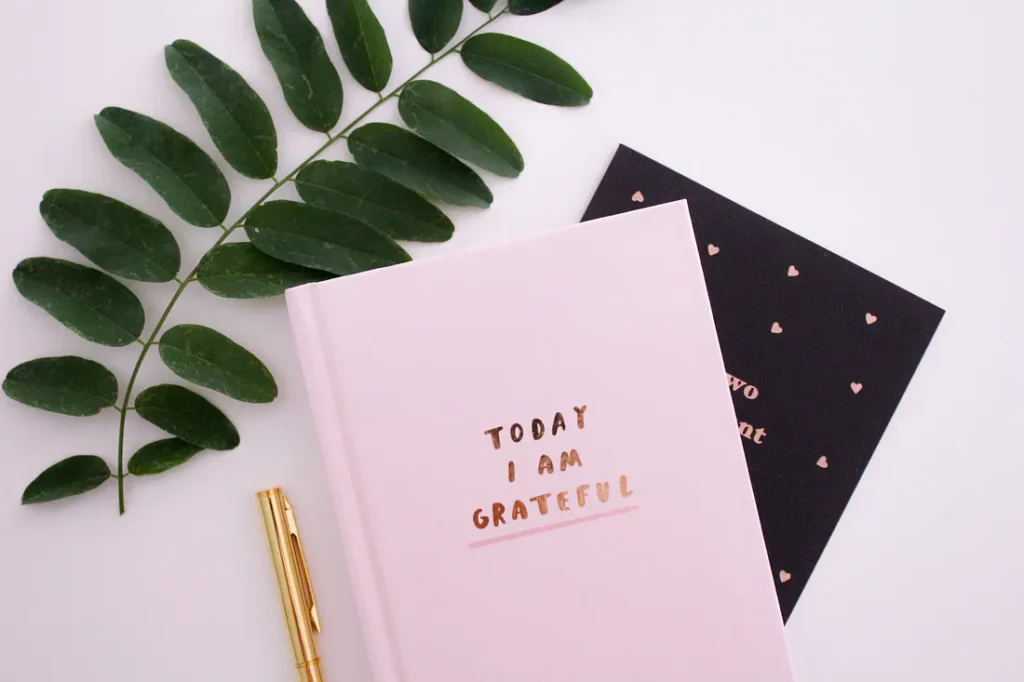
Photo by Gabrielle Henderson on Unsplash
We live in a world that constantly pushes us to want more, achieve more, and notice what’s missing. Gratitude asks us to pause — and notice what’s already here.
It’s not about pretending everything is fine or ignoring hardship. It’s a deliberate shift in attention — a way of focusing on what remains steady, meaningful, or quietly good, even when life feels overwhelming. Practicing gratitude doesn’t eliminate pain, but it offers perspective and strengthens our ability to cope with it.
Research has shown that gratitude changes the brain’s wiring. A study from UC Berkeley found that people who engaged in weekly gratitude writing had significantly better mental health outcomes over time, including reduced anxiety and depression. Gratitude increases dopamine and serotonin, improves sleep, reduces inflammation, and strengthens neural pathways related to empathy and decision-making. These effects aren’t fleeting — the changes can last for weeks or even months, showing that gratitude isn’t just a mood booster but a long-term investment in psychological resilience.
Gratitude is not a feeling, it’s a choice. When gratitude is missing, the consequences are subtle but serious. Without it, people tend to fixate on what’s lacking, what’s unfair, or what’s uncertain. This scarcity-focused mindset is linked to chronic stress, strained relationships, and persistent dissatisfaction. In contrast, gratitude interrupts this cycle. It shifts attention away from comparison and resentment and toward appreciation and perspective. It doesn’t make problems disappear, but it gives us the psychological space to face them more clearly.
Want to build a real gratitude habit that sticks? Try these five simple hacks:
- Three Specifics Rule: Every night, jot down three specific things you’re grateful for from that day — not vague ideas, but real moments.
- Gratitude Text Tuesday: Once a week, send a quick message to someone just to say thanks or show appreciation. It keeps gratitude social and active.
- Flip the Script: When something frustrates you, pause and ask: Is there one part of this I can still appreciate? It’s a mental reset button.
- Gratitude Walk: Take a short walk and mentally list five things you’re grateful for in your surroundings. Movement plus mindfulness = magic.
- Mirror Check-In: Before bed, look in the mirror and thank yourself for one thing you handled well that day. It builds inner respect and resilience.
Gratitude won’t solve everything, but it changes something essential: our relationship to the lives we’re already living. It reminds us that even in uncertainty, even in struggle, we are still surrounded by moments worth noticing — and people worth appreciating. In the end, gratitude doesn’t ask us to look away from what’s hard. It asks us to look closer — and see what’s still here, quietly holding us together.